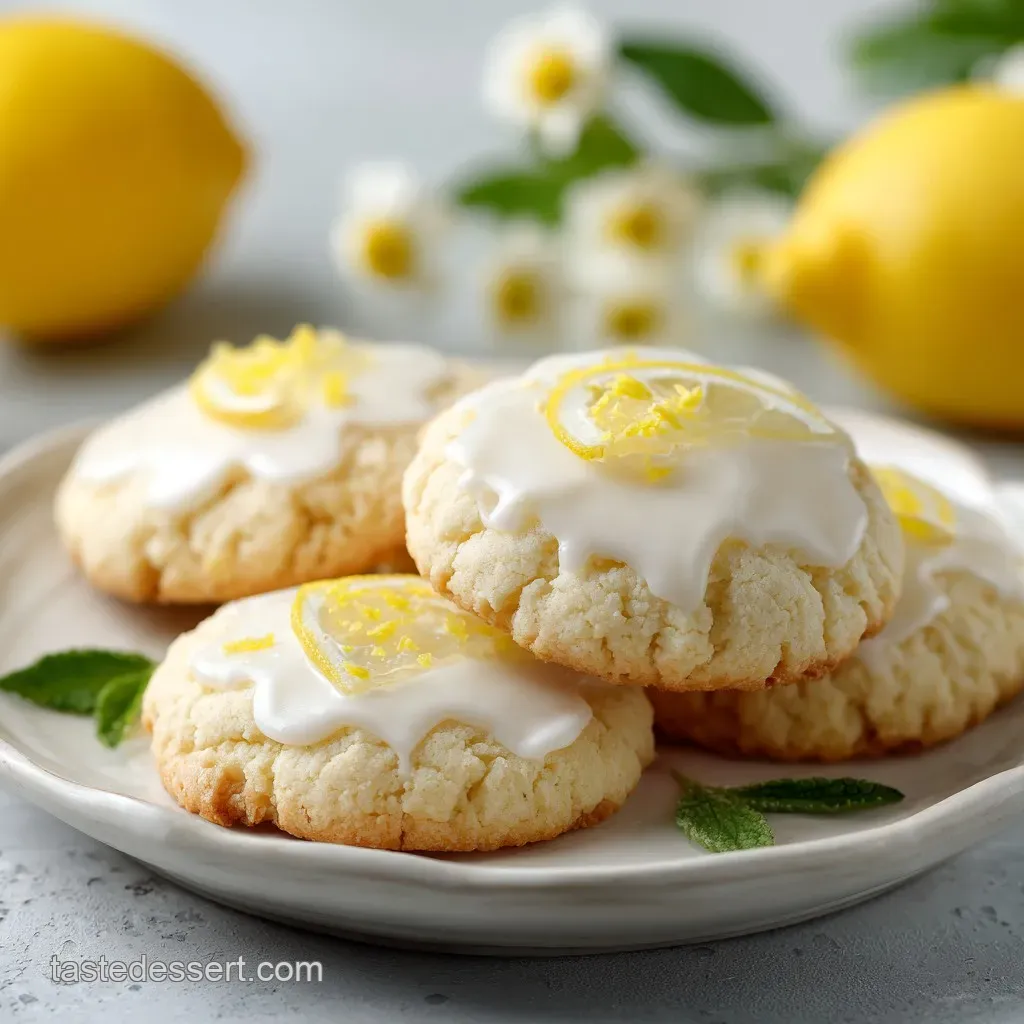
Master Soft Lemon Cookies: Why Brown Sugar & Chill Time Are Your Secret Weapons
There's a special kind of magic that happens when you bite into a truly exceptional lemon cookie. It’s that perfect balance of bright, tangy citrus dancing with a soft, chewy texture that seemingly melts in your mouth. For too long, many lemon cookie recipes have fallen short, often resulting in cookies that are either too dry, too cakey, or simply lacking that vibrant lemon punch. But what if we told you the secret to achieving that coveted, melt-in-your-mouth perfection lies in two often-overlooked elements: the strategic use of brown sugar and a mandatory chill time?
Forget the myth that all great lemon cookies rely solely on granulated sugar. This comprehensive guide will unveil the science and artistry behind crafting the absolute best lemon cookies you’ve ever tasted, revealing why these two techniques are non-negotiable for achieving a tender crumb and an unforgettable flavor.
The Unsung Heroes: Brown Sugar & Its Chewy Secret
When you picture a classic lemon cookie, you likely envision something soft, tender, and incredibly chewy, not a crisp biscuit. The key to this desirable texture often boils down to your choice of sweetener. While granulated sugar provides sweetness and helps with spread, it can also lead to a drier, more brittle cookie when used exclusively. This is where brown sugar steps in as the unsung hero.
Here’s why brown sugar is indispensable for soft lemon cookies:
- Moisture Retention: Brown sugar contains molasses, which is naturally hygroscopic, meaning it attracts and holds onto moisture. This intrinsic moisture translates directly into a softer, more pliable cookie that stays fresh and tender for days, rather than drying out quickly.
- Enhanced Chewiness: The molasses in brown sugar also contributes to a slightly chewier, fudgier texture. It inhibits gluten development slightly, preventing the cookie from becoming tough or overly cakey.
- Depth of Flavor: Beyond texture, brown sugar adds a subtle caramel note that complements the bright acidity of the lemon beautifully, adding a layer of complexity that pure granulated sugar simply can't achieve.
A balanced combination of both granulated and brown sugar is typically the sweet spot. The granulated sugar still contributes to spreading and that delightful crackly top when rolled, while the brown sugar ensures the interior remains supremely soft and chewy. It's a culinary partnership that elevates your lemon cookies from good to truly exceptional.
The Chill Factor: Why Patience is a Virtue for Perfect Cookies
In the world of baking, patience is a virtue, and nowhere is this more true than with a proper dough chill. Skipping the recommended chill time for your lemon cookie dough is one of the most common mistakes, leading to flat, overly spread, and less flavorful results. A minimum 30-minute chill in the refrigerator is not just a suggestion; it's a critical step.
Let's delve into the scientific magic behind chilling your dough:
- Solidifies Fats: The primary reason to chill dough is to firm up the butter. When cold butter enters a hot oven, it takes longer to melt, allowing the cookie to set and rise slightly before spreading. This results in thicker, chewier cookies with less spread.
- Hydrates Flour: During the chilling process, the flour has ample time to fully absorb the moisture from the wet ingredients. This hydration leads to a more uniform texture, prevents grittiness, and contributes to that desirable soft, tender crumb.
- Concentrates Flavors: Just like a good stew tastes better the next day, chilling cookie dough allows the flavors to meld and intensify. The lemon zest and extract have more time to infuse throughout the dough, ensuring every bite is bursting with vibrant citrus notes.
- Better Handling: Chilled dough is significantly easier to handle, scoop, and roll, especially if you're aiming for perfectly round cookies with a crackled sugar coating. It also prevents the dough from becoming greasy as you work with it.
Think of the chill time as an essential rest period for your dough, allowing all the ingredients to come together in harmony for optimal baking performance. It’s the difference between merely good and truly glorious chewy lemon cookies.
Unlocking the Ultimate Lemon Flavor: Zest, Extract, and the Secret Rub
A lemon cookie is nothing without a profound lemon flavor. To achieve that vibrant, unmistakable citrus punch that defines the best lemon cookies, a multi-faceted approach is key. It's not just about adding lemon; it's about layering it strategically.
- The Power of Zest: Fresh lemon zest is where the bulk of the lemon's essential oils reside. These oils are packed with aromatic compounds that provide a bright, fresh, and slightly floral top note to your cookies. For the most intense flavor, employ the "Zest Rub Secret": rub the lemon zest directly into your granulated sugar with your fingertips for about two minutes before creaming it with butter. This action releases the oils, infusing the sugar (and subsequently the entire dough) with deep lemon essence.
- The Essential Extract: While zest provides brightness, lemon extract delivers a concentrated, robust, and heat-stable lemon flavor that won't bake out. Unlike lemon juice, which is mostly water and can affect dough consistency and evaporate during baking, oil-based lemon extract ensures a consistent, strong citrus presence throughout the cookie. It’s the crucial backbone for a truly "lemony" cookie.
- Why No Juice in the Dough? Many wonder why lemon juice isn't usually in the dough. The answer is simple: the acidity and water content of juice can activate gluten development too much, leading to a tougher cookie, and its flavor is less stable under high heat compared to zest and extract. Save the juice for your lemon glaze!
By combining these methods, you create a symphony of lemon flavor that is both immediate and long-lasting, ensuring your soft lemon cookies are unmistakably, deliciously lemon through and through.
Mastering the Bake: From Dough Ball to Golden Perfection
Once your dough is perfectly crafted and sufficiently chilled, the baking process itself holds a few more secrets to ensure those ideal tender cookies with their characteristic crackled top.
- Sugar Roll for Texture: Before baking, roll your chilled dough balls generously in granulated sugar. This isn't just for aesthetics; it creates a protective barrier that traps moisture inside the cookie, contributing to that soft, chewy interior. As the cookie bakes and spreads, this sugar coating cracks, forming the beautiful, sugary, crackled exterior that is a hallmark of truly great lemon cookies.
- The Right Temperature and Timing: Baking at 350°F (175°C) is ideal for most cookies, providing even heat distribution. The critical moment is knowing when to remove them from the oven. Keep a close eye on your cookies. They should be just barely set around the edges and still look slightly soft or even a touch glossy in the very center. As soon as that glossy sheen disappears, pull them out! Over-baking is the quickest way to turn a potentially soft, chewy cookie into a dry, cakey disappointment. Remember, they will continue to set as they cool on the baking sheet for a few minutes.
- Room Temperature Butter: While not part of the bake itself, it's crucial for the initial mixing. Always use softened, unsalted butter. Softened butter creams beautifully with sugar, incorporating air and creating a lighter, more tender crumb. If using salted butter, reduce any additional salt in the recipe accordingly.
Elevating Your Lemon Cookie Experience
While a perfectly baked, plain lemon cookie is a delight in itself, there are always ways to elevate the experience further. A simple, bright lemon glaze is often the final flourish that takes these cookies over the top.
- The Perfect Lemon Glaze: Whisk together powdered sugar with a small amount of fresh lemon juice (this is where the juice shines!). Add a tiny touch of lemon extract for an extra flavor boost. The glaze should be thick enough to cling to the cookie but still drizzleable. Drizzle it over cooled cookies for a burst of sweet-tart goodness and an elegant finish.
- Creative Additions: Don't be afraid to experiment! Consider folding in white chocolate chips for a creamy counterpoint, or even finely chopped candied lemon peel for an intense citrus chew. As hinted in some classic recipes, crushed lemon drop candies within the dough can add an unexpected textural and flavor pop.
- Storage for Lasting Freshness: To keep your chewy lemon cookies soft and delicious, store them in an airtight container at room temperature for up to 3-4 days. For longer storage, they freeze beautifully for several weeks.
By embracing these techniques and understanding the 'why' behind them, you're not just following a recipe; you're mastering the art of creating truly unforgettable soft lemon cookies. From that first tangy aroma to the last chewy bite, these cookies are a testament to how small details can make the biggest difference. Get ready to impress at your next gathering or simply treat yourself to a batch of pure citrus bliss!
